
Without Electoral Reforms, We Shall Have More Minimal Chances To Beat Museveni In 2026, Mpuuga Warns Opposition Peers
Kampala|FileFactsUg
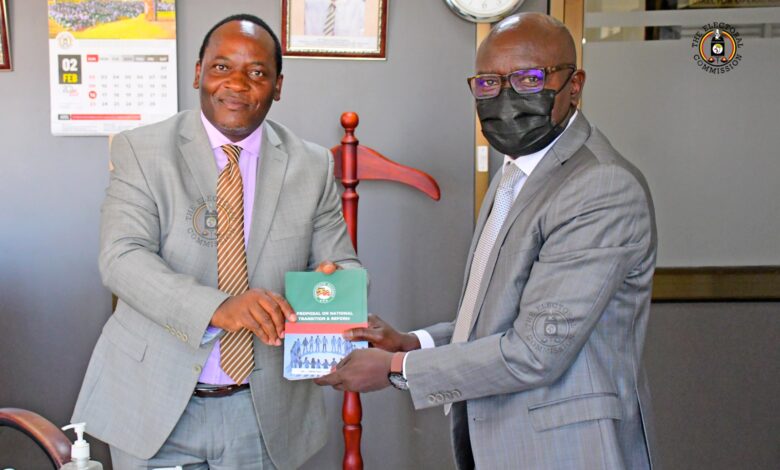
In a pointed appearance on NBS TV’s #MorningBreeze show, the Democratic Front (DF) President Mathias Mpuuga sent a clear and urgent message to political opposition players in Uganda regarding the necessity for electoral reforms ahead of the upcoming 2026 general elections.
During the interview with senior journalist Simon Kaggwa Njala on August 8, 2025, Mpuuga asserted that the absence of these reforms could severely hinder the opposition’s prospects as they prepare to face the 4-decade- President Yoweri Kaguta Museveni once again.
Mpuuga, the Nyendo-Mukungwe MP, emphasized the importance of his ongoing campaign for constitutional and electoral reforms, which he has tirelessly advocated for the past three years.
He expressed frustration over those in the opposition led by the leading opposition National Unity Platform (NUP) President Robert Kyagulanyi alias Bobi Wine who dismiss reform efforts. Mpuuga thus suggested that opposition actors such as Bobi Wine are complicit to the regime to undermine any opposition’s potential success at the polls. “Those who retorted to me over reforms were in connivance with the regime to deliberately make sure the opposition looks shabby at the 2026 polls,” he warned.
On the 60-minute show, Mpuuga candidly noted, “I see a big problem unless in the next few months the opposition smells the coffee, picks up [Electoral Reforms push] very fast.”
He articulated a vision for a more consolidated approach among opposition members, highlighting the necessity of collaboration and unity as paramount in the quest for electoral legitimacy.
“Not everything, but we can fix a few things;one if there is good will, two if particular individuals climb down their high horses, and three if we define the opposition’s election minimum agenda,” Mpuuga stated, firmly alerting his peers to the crucial nature of timely reforms.
When asked about the irony of the DF preparing for an election amidst a warning of impending drama due to a lack of reforms, Mpuuga clarified, “I raised these issues with a few colleagues in the opposition more than three years ago when I was leading the opposition in Parliament.”
He passionately recounted how he and his colleagues initially aimed to elevate the concerns of the populace by pushing for essential issues that could lay the groundwork for future electoral processes.
Mpuuga said that many in the opposition ranks have lost sight of their collective mission and have become entrenched in individual ambitions.
He reflected, “People lose imagination and decide to say it is entirely on going into an election regardless of whether there are reforms or not.”
He identified a troubling trend where opportunistic behavior has taken precedence over a united front, obstructing any meaningful strides toward reform.
Addressing the question of whether the challenges faced in his push for reforms were due to poor leadership regarding the reform quest, Mpuuga countered, “Did the driver take away issues? What stopped other drivers from picking up the issues?”
His words resonated with the heavy burden of responsibility that often overrides personal agendas in politics. He asserted that those who have chosen to stand idly by, rather than support reform efforts, are as much to blame for the current state of disarray, not him who made an initiative to come up with new proposals, and amplifying those that existed.
Mpuuga pointed to a range of reforms that have yet to be realized, emphasizing that systemic change cannot be achieved overnight.
“The electoral reform agenda may not give us everything we need at this moment, but it must start now,”Mpuuga said, and meticulously outlined proposals aimed at transforming the electoral landscape, such as allowing the diaspora and prisoners to vote and ensuring that results can be declared at the district level.
“These are simple matters which we thought the opposition could pass through,” he remarked, highlighting the opportunities lost due to indecision and bickering within the opposition ranks.
As the interview progressed, Mpuuga did not shy away from discussing the betrayals and setbacks that have marred the opposition’s progress.
“Betrayal, or whatever you want to call it, the thing is did I stop anybody well-meaning?” he mused, showcasing his commitment to rallying support for the cause rather than placing blame.
He reaffirmed that the window for effective mobilization is rapidly closing, underscoring the need for immediate, collective action.
In response to skepticism regarding the ability of the opposition to coalesce ahead of the elections, Mpuuga conveyed a sense of urgency, stating that unity is not merely an aspiration but an absolute necessity.
“It is not a question of should, we must,” he asserted, and encouraged all those with good intentions to rethink their strategies for collaboration, emphasizing that “the whole idea of the opposition coming together is not just a ritual.”
As the 2026 elections approach, Mpuuga’s unyielding resolve to advocate for electoral reforms serves as a clarion call to the opposition.
“I see a big problem unless in the next few months, the opposition smells the coffee, picks up [electoral reforms push] very fast,” he concluded, leaving viewers with a palpable sense of the critical crossroads at which the opposition stands.
Mpuuga Reforms In Brief
- Amendment of law to allow Ugandans in the diaspora and prisoners’ rights to vote
- Reducing the size of parliament from the current 529 MPs to 295 MPs
- Restoration and entrenchment of presidential term limits
- Presidential candidates to have run mate who shall be the deputy president
- Introduce a second tier of Parliament with 39 MPs from the original 39 districts of Uganda. The deputy president shall be its head
- Changing the mode of the constitution of the Electoral Commission
- Rethinking the Decentralization model of running local government
- Changing the mode of declaration of presidential elections from the centralized system to the district level
- Amendment from the first-past-the-post to a proportional representation system to balance up Parliament
- Allow ordinary voters to challenge in court, the presidential election results