
Protestors Win As Ruto Drops Signing of Finance Bill, 2024 Into Law
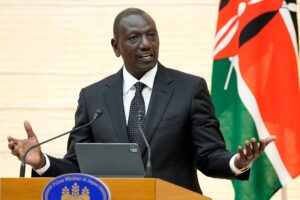
In what would be considered a huge win for protesting Kenyans, President William Ruto dropped the signing of the controversial Finance Bill, 2024 to effect a raft of regressive tax measures that were vehemently rejected by the citizenry, opposition MPs, and civil society.
For the last couple of days, Kenya was a beehive of activities as angry protesters were on the streets of Nairobi and several other counties, fighting with security agencies in their quest to exert pressure on the Ruto administration to drop the bill.
Eventually, Ruto returned the bill to the Parliament on Wednesday for further consideration. This means the President, effectively vetoed the bill, and the Parliament will now decide whether to amend it to address the President’s concerns, abandon it, or attempt to pass it again.
It is a huge concession after Ruto denounced Tuesday’s protests which left eight people dead, describing the events as “treasonous.” The president claimed the protests were “hijacked by dangerous people” and called upon security organs to restore calm.
The move could be seen as an attempt to de-escalate tension, as Kenyans plan to demonstrate on Thursday across the country to push for the resignation of President Ruto.
The general assumption was that Ruto would sign the bill, considering the MPs affiliated with his ruling coalition overwhelmingly supported it. A total of 195 MPs voted in favor of the bill, and 104 MPs—mostly from the opposition—voted against it.
It remains unclear when the discussion on the bill, likely to address some of the issues brought forth by Kenyans—including taxes on essential commodities such as edible oil and sanitary pads—will begin.
Parliament, which met earlier on Wednesday to approve the deployment of the Kenya Defence Forces (KDF) to assist police in quelling anti-Finance Bill demonstrations, will be out of session next month.