
When Words Become Stones: Sydney’s Death And The Price Of Political Pressers
By Namuguzi Ntale Jude
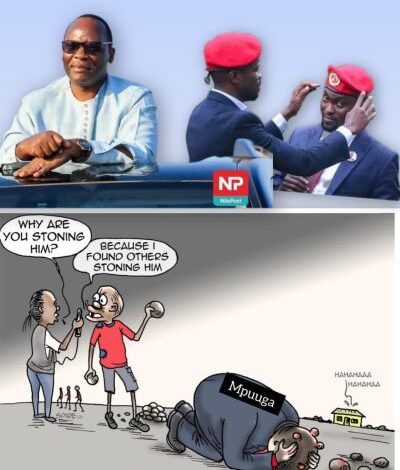
Sydney died. Not from disease. Not from old age. A crowd killed him. An accusation was made. No court. No evidence. Just anger, stones, and a phone camera.
Sydney’s name is now Uganda’s newest reminder of one brutal truth: when leaders speak carelessly about blood, blood follows. The weapons keep changing from stones, sticks, pangas on the streets to microphones at well-organised pressers in daylight.
As mentioned, Sydney’s story is not new. It’s Uganda’s oldest story. We bury a “Sydney” every week in a different village, under a different accusation: thief, witch, kidnapper. And every week we promise “never again”. Until the next Sydney.
But Sydney’s death should be the last.
Our faith warns us. Proverbs 18:21: “Death and life are in the power of the tongue.” The Prophet PBUH taught: “Speak good or remain silent.” Yet political actors returned to that wound. Not with court files. With press conferences.
But with Sydney in the ground, we must ask with history watching: What was the aim beyond the applause?
When serious allegations are thrown at opponents, for example, linking Hon. Mpuuga to the bijambiya killings in Masaka, political leaders like Bobi Wine, Mufumbiro, and their NUP colleagues mastered the presser. They held them weekly. They told stories. They were cheered by loyalists like Muwanga Kivumbi and Betty Nambooze. The crowd clapped. The clips went viral.
With full knowledge that real victims and grieving families were still mourning, what was the expected outcome? Was it accountability through courts and investigations? Or was it to trigger public anger, online mobs, and the kind of “mob justice” that killed Sydney?
Courts have evidence. Police have files. Statements under oath leave a legal trail. Pressers leave emotion. If the goal was justice for victims, then the logical step was a formal complaint, witness statements, or supporting DPP investigations. If the goal was just to have opponents “chased” by angry crowds, then we normalized a dangerous politics.
I have disagreed with many of Hon. Mpuuga’s political positions. But I disagreed more with a culture where leaders, knowing their words had weight, used them to paint targets on fellow Ugandans. Because words from a public figure don’t stay on stage. They traveled to taxis, markets, and WhatsApp groups. And sometimes, they traveled too far. Sydney proved it.
NUP was born promising a new kind of politics – “people power”, not “mob power”. The true test of that promise was not how loudly they criticized opponents. It was how carefully they spoke when victims were involved, and tempers were high.
If Kyagulanyi, Mufumbiro, and co truly wanted accountability on the bijambiya killings, they should have taken it to court. Let evidence be presented. Let cross-examination test it. That’s justice.
If not, then Ugandans are right to ask: Were those pressers about justice, or about political elimination by other means?
The ballot is for removing opponents. The court is for punishing criminals. The mob is for neither. Sydney has been buried already. Uganda cannot afford politics that treat physical danger as collateral damage.